Loading...
Serving Warner Robins, GA and surrounding areas. (478) 339-9317
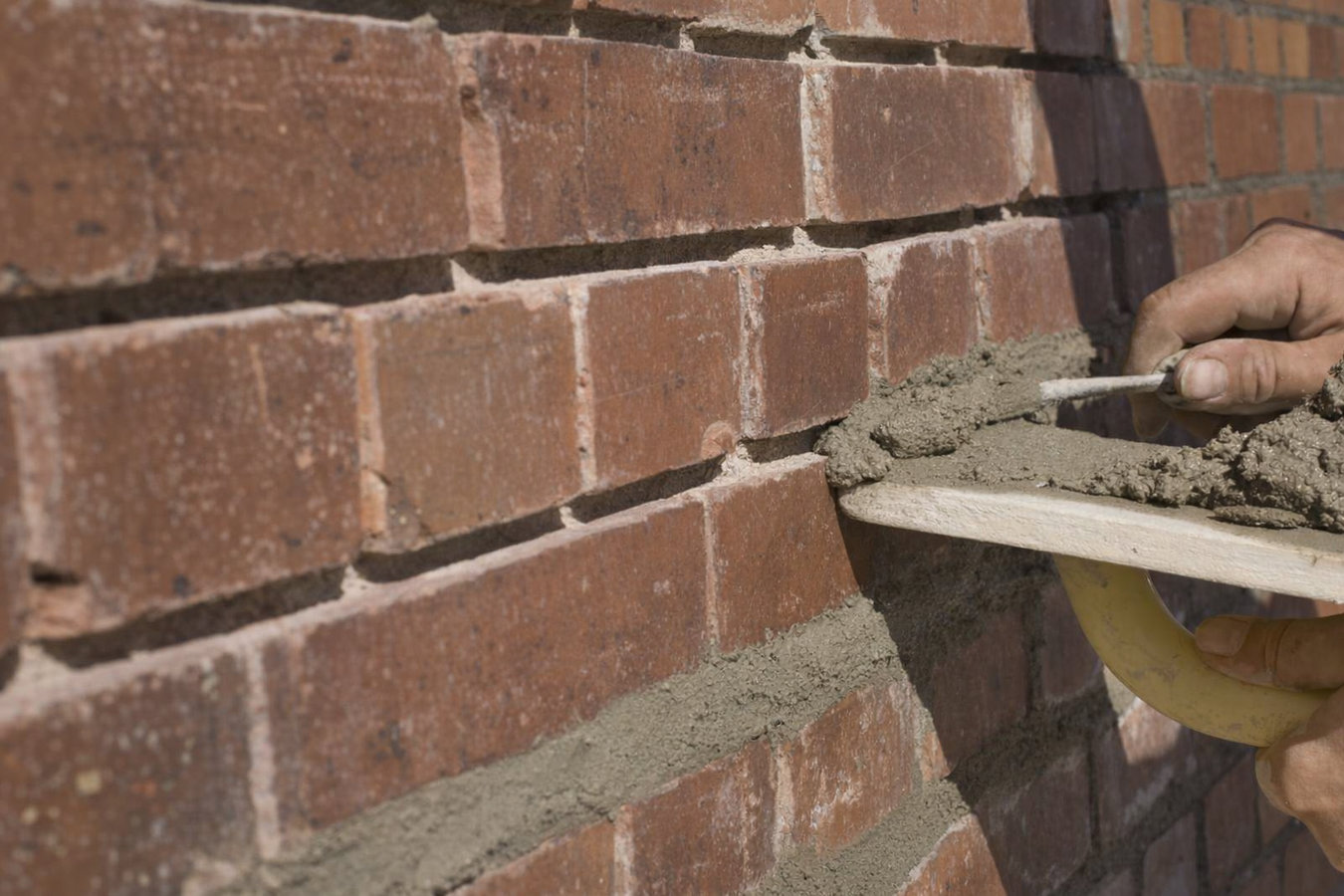
Crumbling mortar between your bricks is not just cosmetic. Warner Robins summer storms push water through those gaps fast, and once it gets inside a wall, the damage spreads quickly.
Brick pointing in Warner Robins means removing deteriorated mortar from the joints between bricks and replacing it with fresh, properly matched mortar - a small chimney or wall section typically takes one day, while a full exterior repoint can run three to five days depending on the condition of the existing joints and how many bricks need resetting.
Mortar is intentionally softer than brick - it acts as a sacrificial layer, absorbing movement and moisture so the bricks themselves stay intact. Warner Robins heat, humidity, and occasional winter freezes wear that mortar down over time. Most mortar starts showing real wear after 20 to 30 years, though harsh conditions can speed that up. A mason uses a grinder or chisel to remove the old material to a depth of about three-quarters of an inch, then mixes and packs fresh mortar into each joint by hand. When brick pointing alone is not enough - when bricks are cracked, spalling, or bowing outward - our brick repair service can address those damaged sections before the joints are repointed.
The most important part of the job is matching the new mortar to your existing brick. Mortar that is too hard can crack the bricks themselves, especially on older Warner Robins homes built in the 1950s and 60s with softer brick. The Brick Industry Association publishes standards for mortar compatibility, and those standards are what separate a repair that lasts from one that creates new problems.
Stand back in good daylight and look at your brick walls. If you can see dark gaps where the mortar should be, or the material between the bricks looks sandy, crumbly, or recessed more than a quarter inch from the brick face, that is a clear sign the joints need attention. This is the most obvious signal, and it means water is already getting in.
A chalky white residue - called efflorescence - is a sign that water is moving through the wall and carrying dissolved salts to the surface. In Warner Robins, where summer humidity and afternoon thunderstorms are common, this staining often appears on walls with failing mortar joints letting moisture in. It is not just cosmetic. It tells you water is actively working through your masonry.
Warner Robins sits on Georgia red clay soil, which shifts with the seasons as it absorbs and releases moisture. If you see diagonal cracks radiating from the corners of windows or doors, or stair-step cracks along the mortar joints, that is often a sign soil movement has stressed the wall. A mason can tell you whether the movement has stopped and pointing will hold, or whether there is an ongoing issue to address first.
If you notice damp spots, peeling paint, or a musty smell near an exterior brick wall - especially after heavy rain - failing mortar joints are a likely culprit. Warner Robins gets about 46 inches of rain per year, and summer storms can be intense. Once mortar fails, water finds its way in quickly. Catching it at the mortar stage is far cheaper than dealing with water damage inside the wall.
Every brick pointing project starts with a visual assessment - testing how soft the existing mortar is, noting which areas need full repointing and which are still sound, and flagging any bricks that are cracked or damaged and need replacement before new mortar can go in. We match the new mortar to your existing joints in both color and hardness - because mortar that is too hard can crack older brick, and mismatched color stands out from the street. When a project overlaps with structural concerns - cracks that suggest underlying foundation movement, for example - our foundation repair service can address those issues before the pointing work begins, so the finished job holds for decades rather than cracking again within a few seasons.
The work itself is methodical. We grind or chisel out the old mortar to a consistent depth - about three-quarters of an inch, roughly the depth of your thumbnail - then mix and pack in fresh mortar by hand. The joints are tooled to match the existing profile, and any mortar smears are cleaned off the brick face before we leave. After the work is done, fresh mortar needs time to cure. For the first 24 to 48 hours, keep water away from the fresh joints - no sprinklers, no pressure washing. In Warner Robins summers, we may lightly mist the work during the first day to slow the cure and prevent cracking.
Suits homeowners with a chimney showing cracked or crumbling joints at the top or along exposed sections, before water works down into the flue or roof structure.
Suits homeowners with full-brick exterior walls where the mortar has deteriorated to the point that water is getting in or staining is visible on the brick face.
Suits homeowners with brick garden walls, borders, or decorative features where mortar is failing but the bricks themselves are still in good shape.
Suits homeowners with visible mortar deterioration at or below grade level, where moisture exposure is constant and pointing protects the foundation from further water intrusion.
Warner Robins grew rapidly during and after World War II, when Robins Air Force Base was established, and many residential neighborhoods date from the 1950s through the 1970s. Brick from that era is often softer than modern brick, which means the mortar used for repointing must be matched carefully - too hard a mix will damage the original bricks. Homeowners in established neighborhoods near Bonaire or older subdivisions closer to the base should ask their mason specifically about mortar compatibility with older brick. A knowledgeable contractor will test the existing brick and mix accordingly.
Georgia red clay soil is known for expanding when wet and contracting when dry. That movement puts stress on brick walls and foundations over time, causing mortar joints to crack even when the bricks themselves are intact. If you notice diagonal cracks near corners or window openings, the soil movement underneath may be the root cause, and a mason should assess whether any structural settling needs to be addressed before repointing. Homes in areas like Centerville face the same clay soil conditions, and the fix is the same - stabilize the structure first, then repoint the joints so the work holds for the long term.
When you reach out, we will want to see the work in person before giving you a price. Brick pointing is hard to estimate accurately from photos - the condition of the joints, how much needs replacing, and how accessible the wall is all affect the cost. Most jobs in the Warner Robins area can be scheduled for an initial visit within one business day.
We walk the exterior of your home and look closely at the mortar joints - often with a small tool to test how soft or loose the material is. We note which areas need full repointing and which are still sound. This is also when we flag any bricks that are cracked or damaged and need replacement before pointing can begin. You get a written estimate that spells out what areas will be repointed, what mortar mix will be used, and how many days the work is expected to take.
Before the crew arrives, clear a few feet of space around the walls being worked on. Move patio furniture, potted plants, grills, and vehicles parked close to the house. If the work involves upper sections or a chimney, we bring ladders or scaffolding - we handle the setup, but having the area clear makes it faster and safer.
The crew grinds or chisels out the old mortar to a consistent depth, then mixes and packs fresh mortar by hand. We tool the joints to match the existing profile and clean any mortar smears off the brick face before we leave. The work is noisy during the grinding phase but settles into quieter hand work for most of the day. After completion, keep water away from the fresh joints for the first 24 to 48 hours.
No obligation, no pressure - just a clear written price so you know what to expect before any work begins. We reply within one business day.
(478) 339-9317Older Warner Robins brick - especially homes built during the post-war boom near Robins Air Force Base - is typically softer than modern brick. We test and match the mortar hardness to your specific brick type, so the new joints protect rather than crack your original bricks. Using the wrong mortar mix is one of the most common ways pointing work fails prematurely.
You receive an itemized estimate in writing that covers what areas will be repointed, what mortar we will use, and how many days the job should take. We do not add charges without talking to you first. If anything changes during the work, you hear about it immediately and decide how to proceed.
Warner Robins summers are hot and humid, which can dry fresh mortar too quickly if a mason does not adjust for the conditions. We schedule work to avoid the hottest part of the day when possible, and we lightly mist fresh joints during extreme heat to slow the cure and prevent cracking. These adjustments make the difference between mortar that reaches full strength and mortar that cracks within the first year.
Before we call a job complete, we walk the work with you and address anything that looks different from what you expected. A reputable contractor welcomes questions and fixes concerns before final payment, not after. You get the chance to inspect the finished joints, ask about curing, and confirm the color and profile match what was agreed on at the start.
Brick pointing done correctly should last 20 to 30 years before needing attention again. The National Park Service Preservation Briefs publish widely respected guidance on repointing historic masonry, and those standards are what we follow on every Warner Robins project. What that means for you is work that holds up to Georgia weather and protects your home for decades, not just a few seasons.
Stabilize and repair foundation cracks, settling, and structural movement before water intrusion or additional damage occurs.
Learn MoreReplace cracked, spalled, or broken bricks on walls, steps, or chimneys before mortar deterioration spreads to surrounding sections.
Learn MoreMortar deterioration speeds up fast once it starts - call today or request a free estimate online before minor damage becomes a major repair.